Insights
Educational articles on regenerative aesthetics, treatment planning and product science.
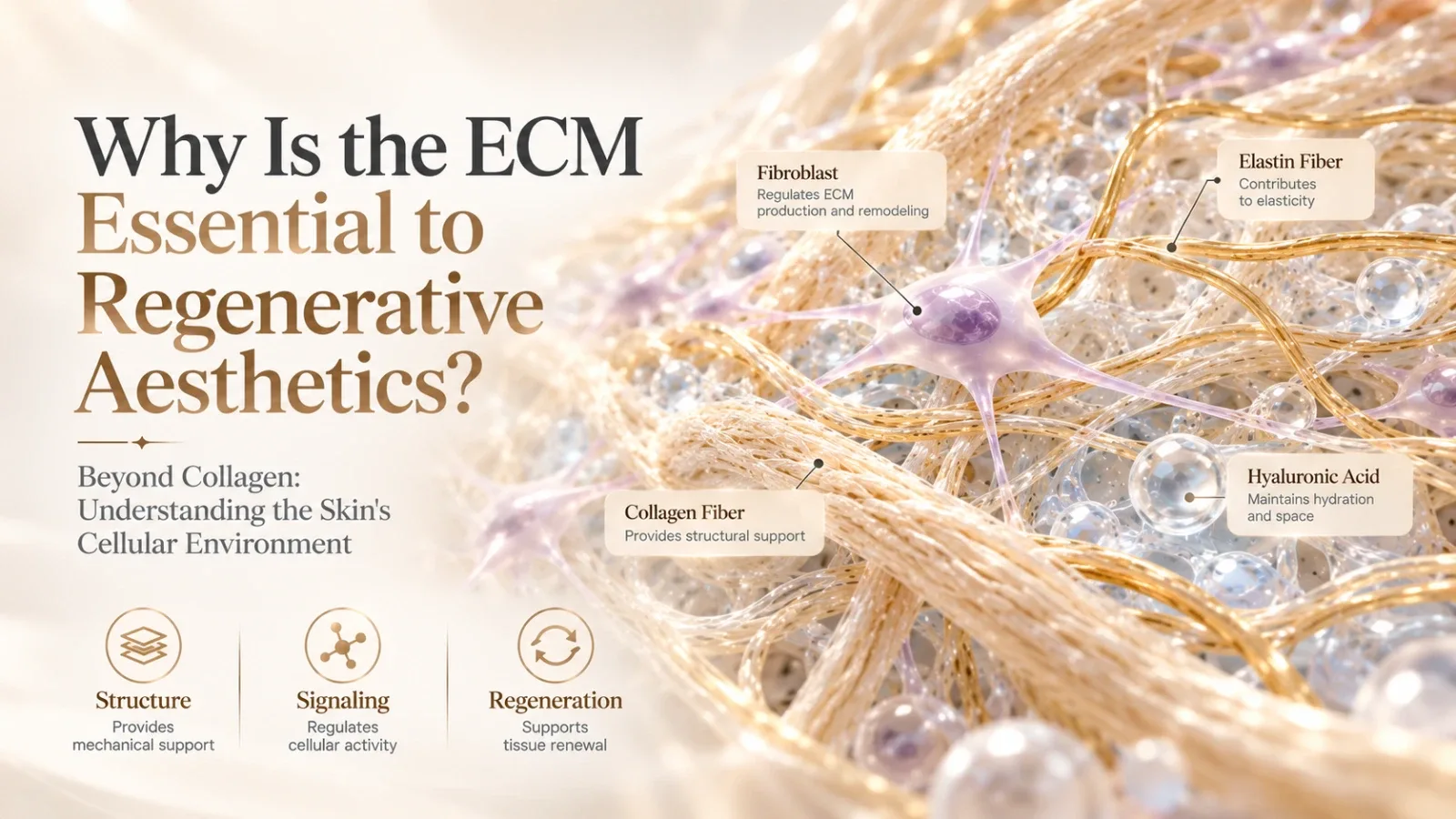
Why Is the Extracellular Matrix (ECM) Essential to Regenerative Aesthetics?
Understanding Skin Aging, Collagen Biostimulation, and Tissue Remodeling Collagen has long been a central focus in aesthetic medicine. However, modern skin biology suggests that skin aging involves more than collagen loss. It also involves progressive changes in the extracellular matrix (ECM), the biological environment surrounding cells.
Read →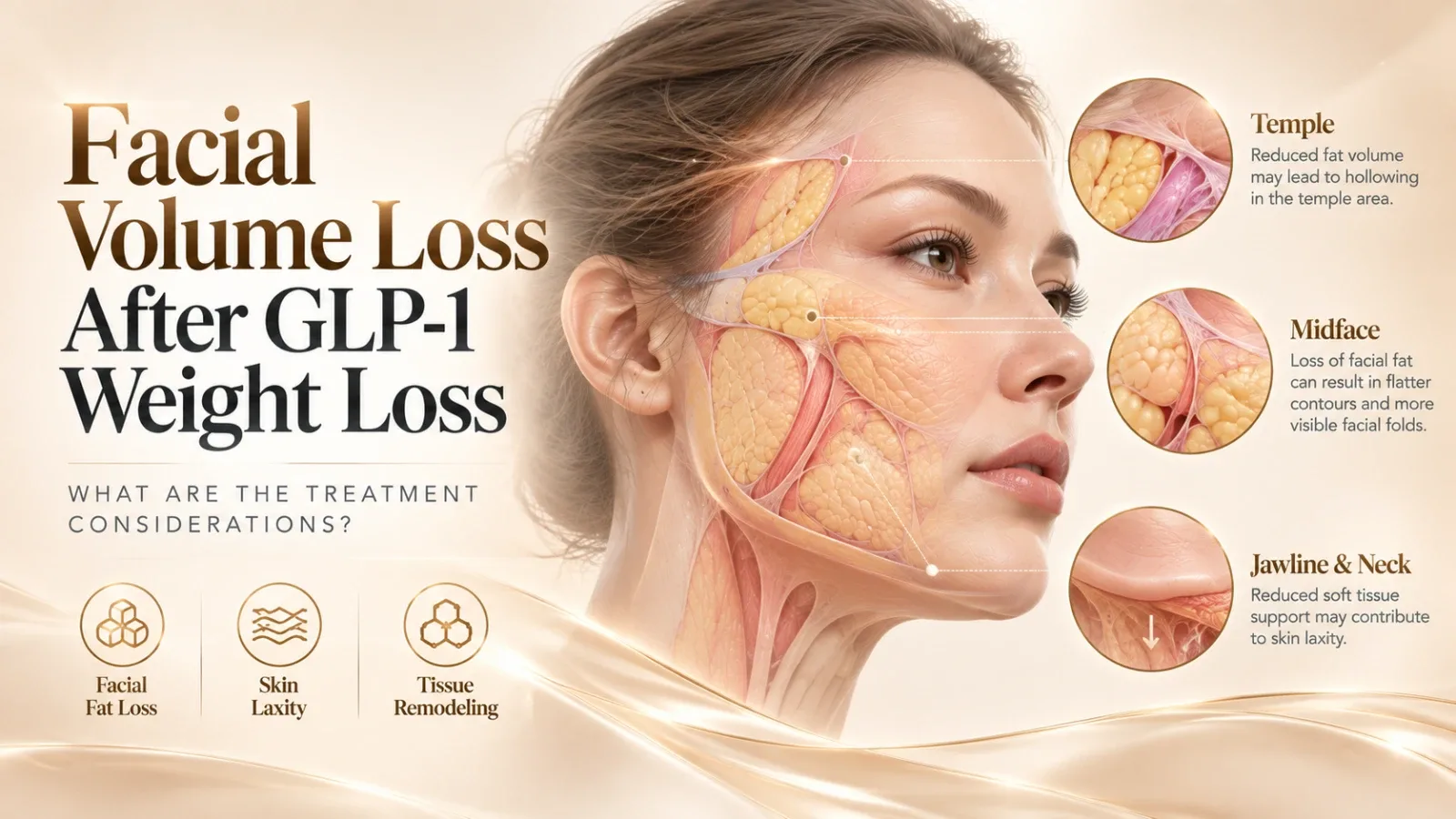
Facial Volume Loss After GLP-1 Weight Loss: What Are the Treatment Considerations?
As GLP-1 receptor agonists become increasingly established in medical weight management, changes in facial appearance following substantial weight loss are receiving growing attention in aesthetic medicine.
Read →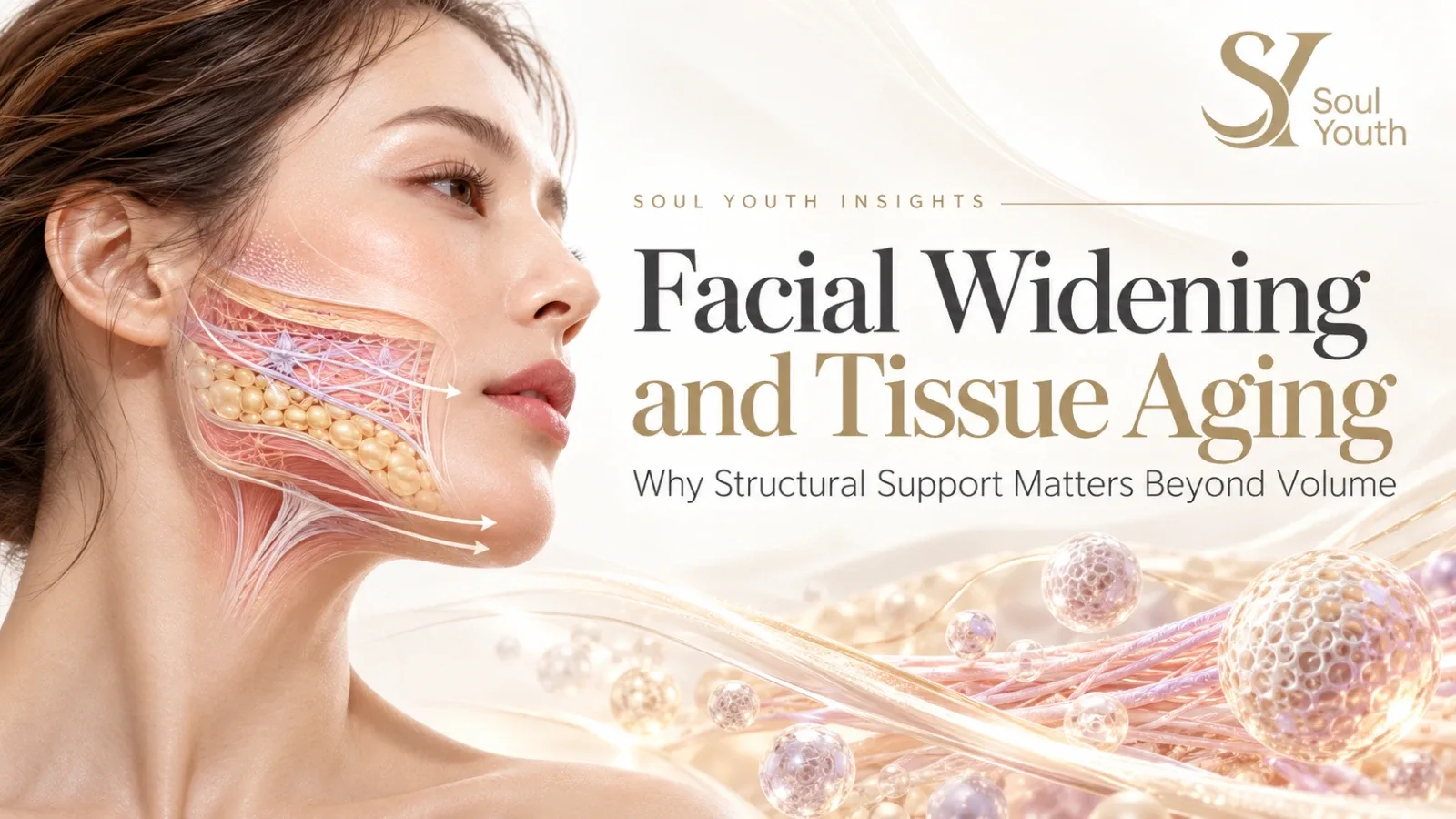
Facial Widening and Tissue Aging: Why Structural Support Matters Beyond Volume
Understanding the relationship between extracellular matrix remodeling, facial contour changes, and collagen biostimulation Beyond Volume: Rethinking Facial Widening
Read →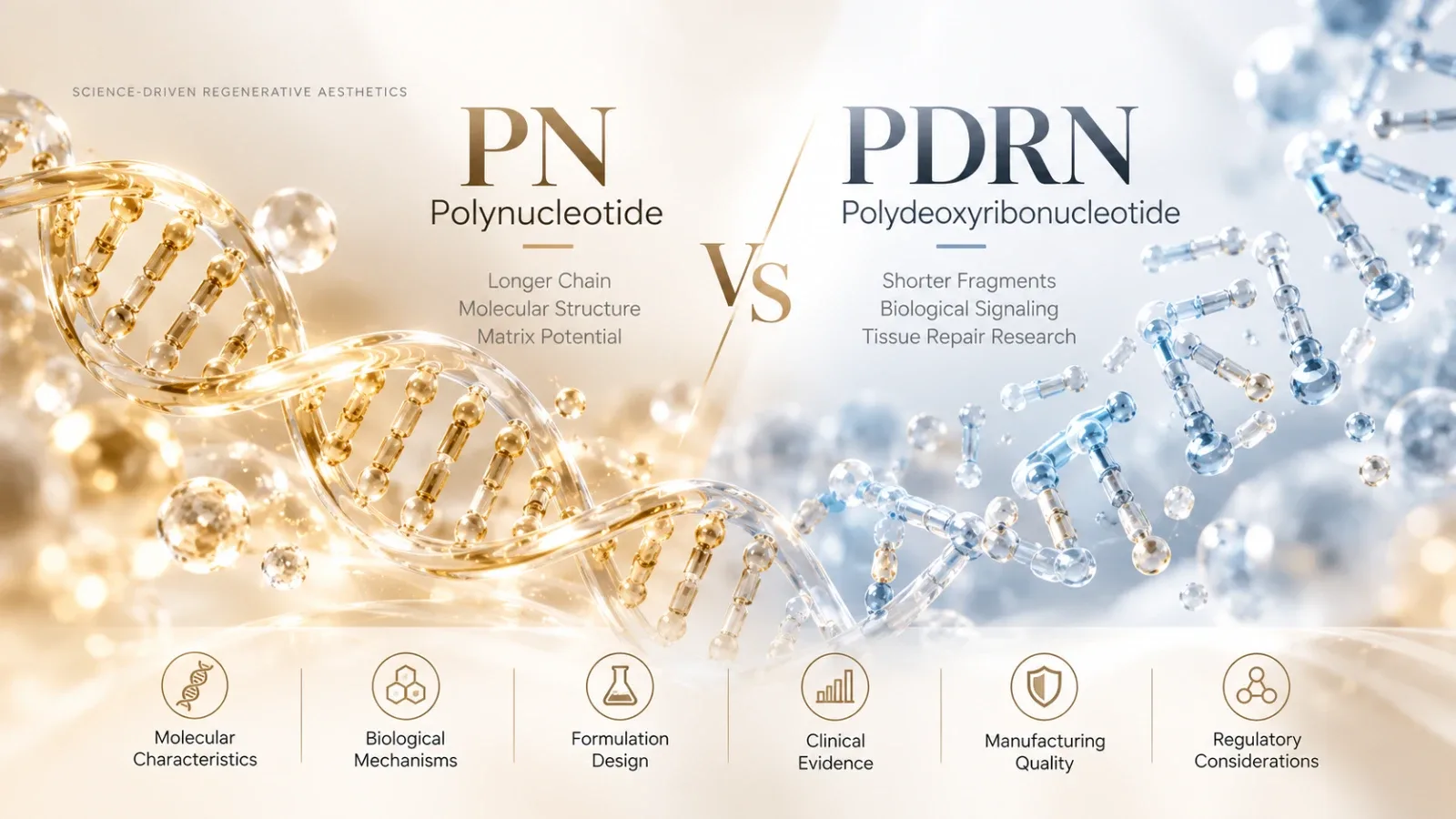
PN vs. PDRN: Understanding the Science Behind DNA-Derived Biomaterials
Molecular Structure, Biological Mechanisms, Formulation Science, and Clinical Evidence in Regenerative Aesthetics The growing interest in regenerative aesthetics has brought DNA-derived biomaterials into the spotlight. Among the most frequently discussed are polynucleotides (PN) and polydeoxyribonucleotides (PDRN).
Read →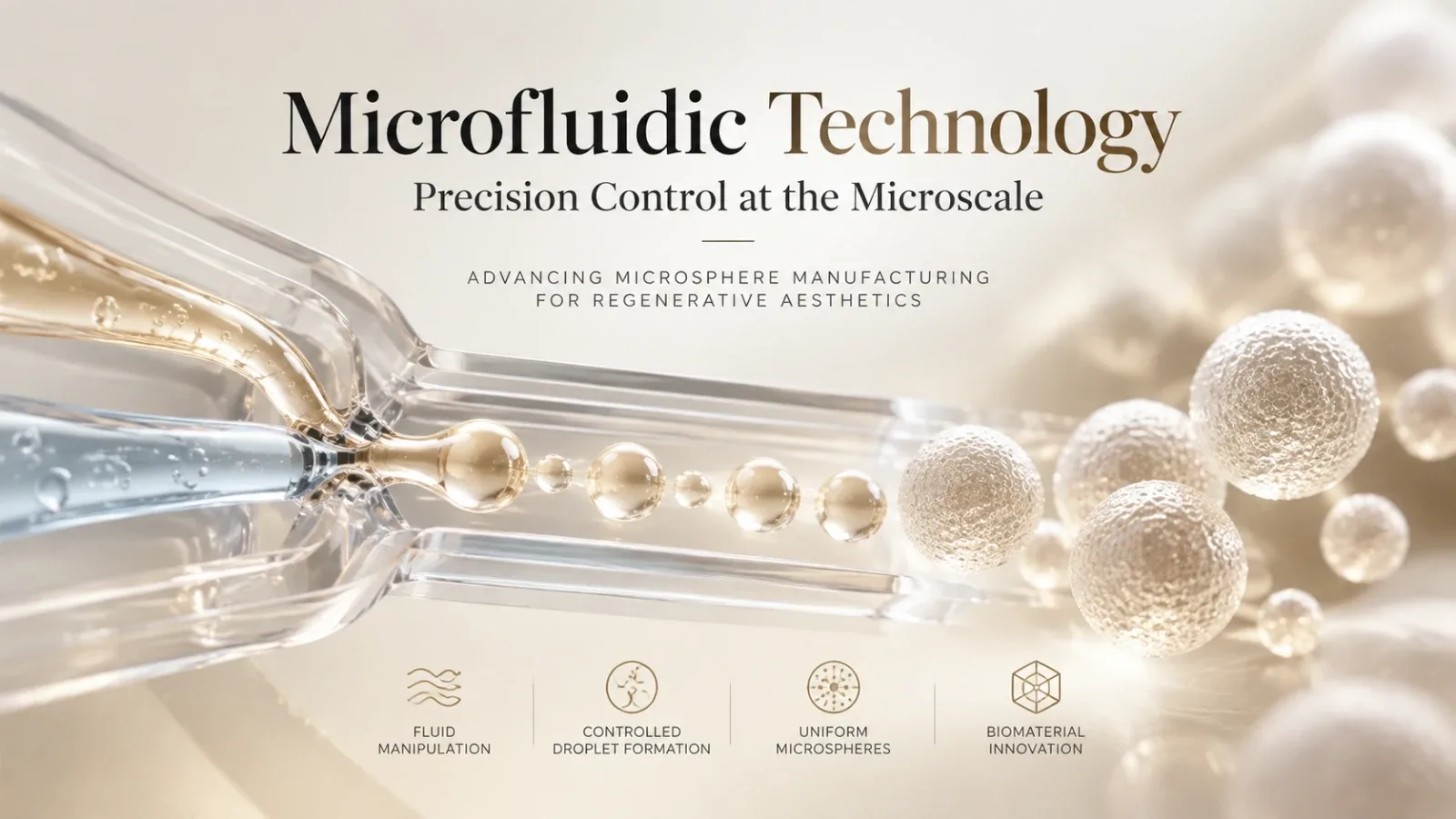
Microfluidic Technology: How Precision Engineering Enables Advanced Microsphere Manufacturing
Mixing, separating, cutting, and shaping… These processes may sound like complex industrial manufacturing techniques. However, when these operations take place within microscopic channels, they become part of an emerging technology that is transforming the development of advanced biomaterials — microfluidic technology.
Read →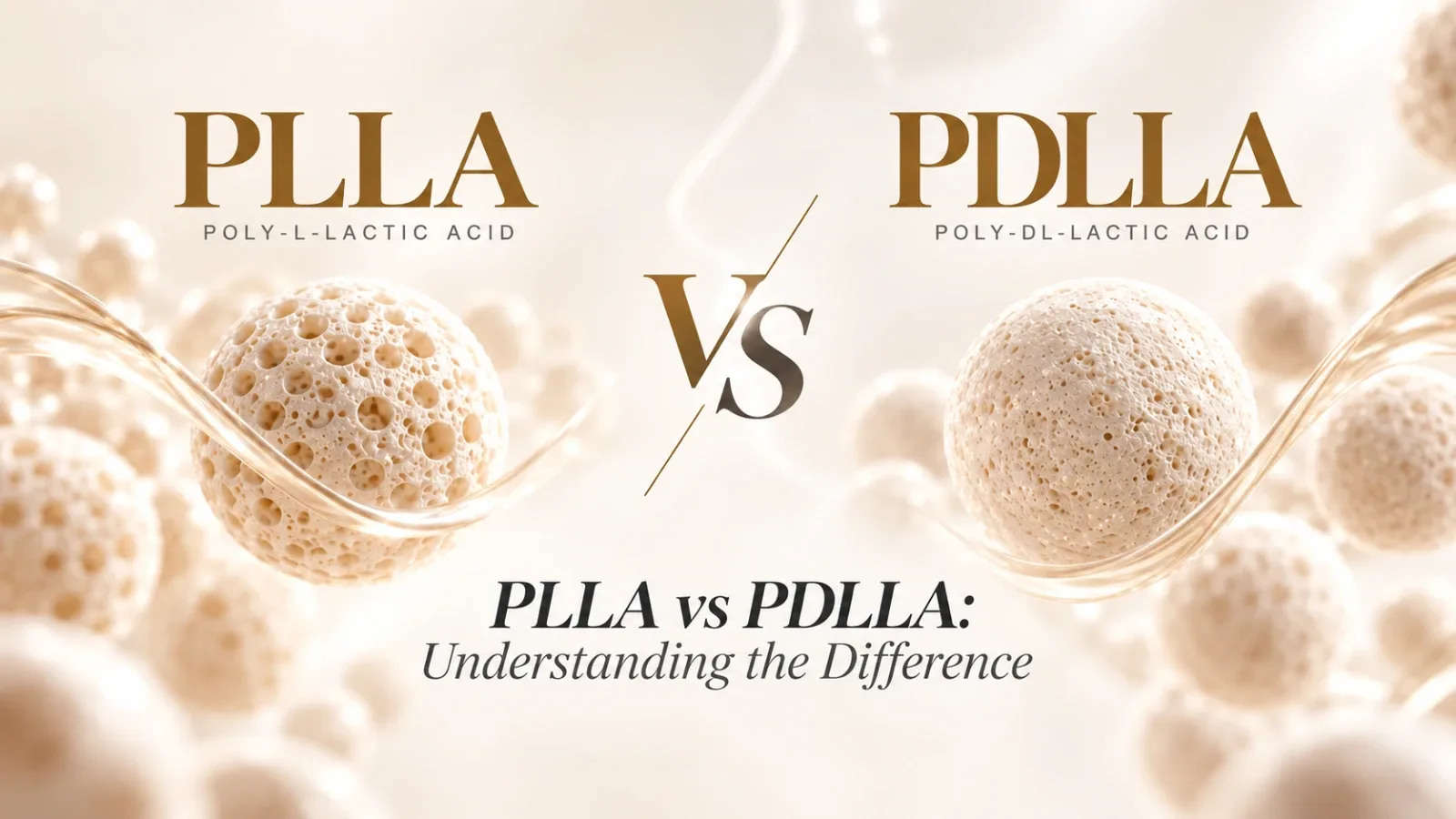
PLLA vs PDLLA: From Stereochemistry and Degradation Kinetics to Formulation Design — What Should We Really Compare in Poly-Lactic Acid Biostimulators?
In regenerative aesthetics, PLLA and PDLLA are frequently discussed within the same framework. Both belong to the poly-lactic acid family and can be used in collagen-biostimulating products, which is why market discussions often reduce the comparison to a simple question: which one is better?
Read →Specifications, terms and registration status.
Our team supports licensed clinics, distributors and OEM partners — tell us what your market needs.